


Where it sits
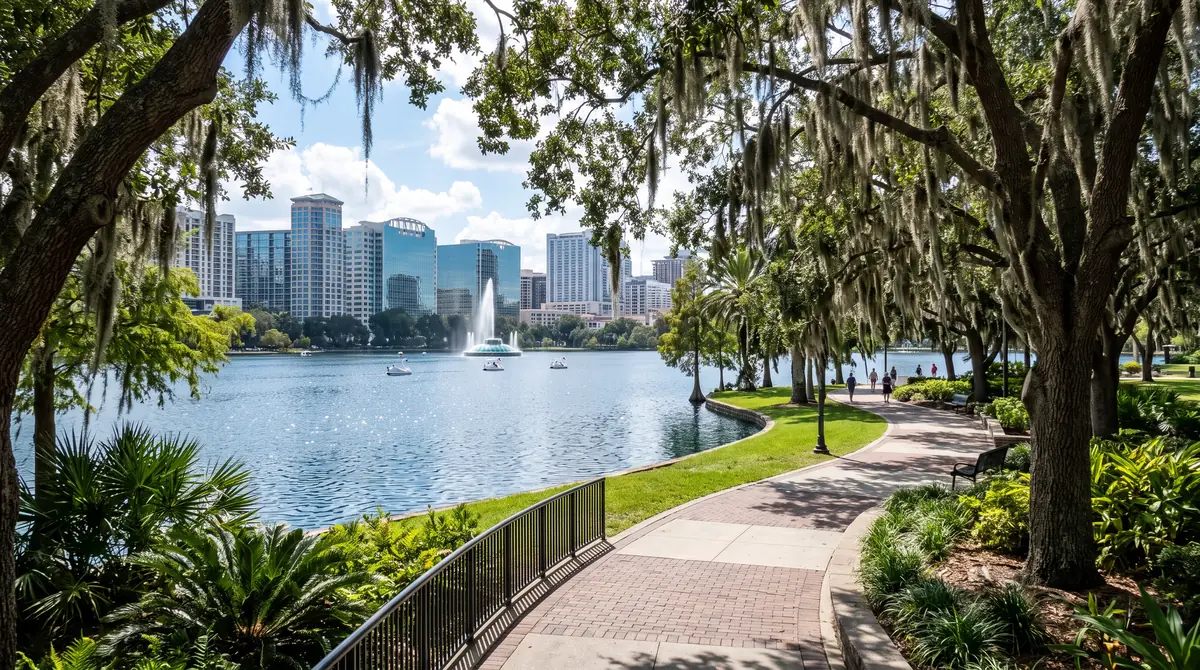
Lakeland is the largest city on I-4 between Tampa and Orlando, which makes it a regional job and healthcare hub as well as a housing market. Downtown is organized around several lakes, including Lake Morton.
Major roads and commuting
- I-4, the main Tampa–Orlando interstate
- SR 570 / Polk Parkway, a toll beltway around much of Lakeland
- US 92 (Memorial Boulevard) toward Plant City west and Auburndale / Winter Haven east
- US 98 toward Bartow south
Drive times are not promised. Traffic toward Orlando and Tampa changes by hour.
Lifestyle, shopping, and daily life
Lakeland has a walkable downtown, lakes, and a larger set of employers and medical facilities than smaller Polk County cities. It is locally nicknamed Swan City because of mute swans associated with Lake Morton. The feel is more “mid-size Florida city” than brand-new suburb.
Homes, new construction, and move-in ready
Expect a wide mix: historic neighborhoods, mid-century homes, infill, and newer construction on the edges of the city and along the Polk Parkway. Relocating buyers should compare commute to Tampa versus Orlando, and whether they want a city neighborhood or a newer suburban community.
Things buyers should know
- Lakeland is not a bedroom community of Orlando. Many people who live here work in Polk County or commute west toward Tampa.
- Polk Parkway is useful for getting around town but is a toll road.
- Do not assume lakefront living is interchangeable with a new-construction HOA community south or north of downtown.
FAQs
Is Lakeland closer to Tampa or Orlando?
It sits between them on I-4, generally closer to the Tampa side than to downtown Orlando. Your actual commute depends on the exact workplace, not the city name.
Should a new-construction buyer start in Lakeland?
If your job, family, or healthcare needs are in Lakeland or west toward Tampa, yes. If you need to be near the Orlando attractions corridor, also compare Davenport, Kissimmee, and St. Cloud.
Move-In Ready episodes nearby
Nelson Vallejo is committed to the Fair Housing Act and equal housing opportunity. We do not describe neighborhoods in terms of people who live there, school quality rankings, or subjective safety claims.